Biohazard Cleanup
Safe, careful removal of bodily fluids and other infectious material, finished with hospital-grade disinfection.
Learn more →New Jersey · Hunterdon County
Dealing with a death, a crime scene or a sewage backup in White House Station, NJ? Get the biohazard cleaning done, from blood and bodily fluid removal to odor treatment and full disinfection. Call (877) 812-4220 at any hour.
If anyone is in danger, call 911 first. For a suicide crisis, call or text 988.
Biohazard removal means taking out the materials that carry germs and then treating what is left so the space is safe again. In White House Station, NJ, property owners, landlords, families and businesses can get this work done by calling White House Station Biohazard Cleanup Help.
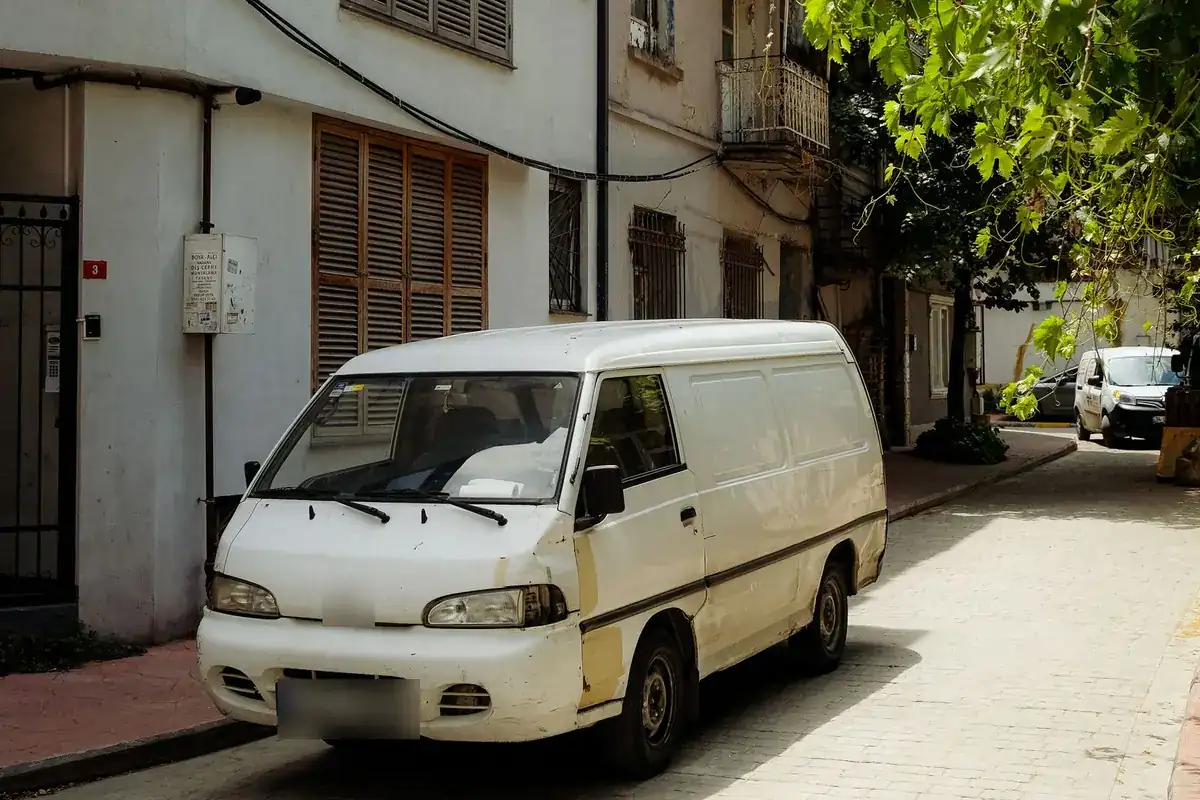
Calls are answered day and night, and crews arrive in unmarked vehicles so the work stays private. The cleanup team seals off the area, removes what cannot be saved, disinfects what can and carries away the waste. Service covers White House Station and nearby communities such as Lebanon and Annandale.
Fewer older adults in Hunterdon County live alone than the New Jersey average, at 21%. Even so, unattended deaths happen in every community, and the cleanup steps are the same. About 15% of homes in Hunterdon County are rented, so many cleanups involve owners working directly with their own homeowners insurance company.
Blood and bodily fluids can carry bloodborne pathogens, even after they dry. That is why biohazard cleaners follow OSHA's Bloodborne Pathogens Standard, 29 CFR 1910.1030, and put on gloves, respirators, boot covers and disposable suits before they enter the affected area.
Odor is treated at its source, not covered up. HEPA filtration, hydroxyl generators and ozone treatment work on the air and on the surfaces, and ATP testing can show whether the cleaned area meets the standard before the property is released.
Choose the situation that fits and get help with any biohazard cleaning service below, for homes, rentals, offices and vehicles in White House Station.
Safe, careful removal of bodily fluids and other infectious material, finished with hospital-grade disinfection.
Learn more →Cleanup after violent crimes, break-ins and assaults, using protective gear and EPA-registered disinfectants.
Learn more →Contaminated carpet, drywall and debris removed, with every affected surface disinfected and inspected.
Learn more →Removal of soaked materials, safe waste hauling and deodorizing after a delayed discovery.
Learn more →Compassionate cleaning after a loss, with keepsakes set aside and the room returned safe.
Learn more →Homicide cleaners remove contaminated materials, disinfect every affected surface and prepare records for insurers.
Learn more →Dried and set-in blood lifted from tile, wood and fabric, with odor treated once the cleanup is done.
Learn more →Commercial feces cleanup and body fluid cleaning for restrooms, shops, schools and care sites.
Learn more →Human feces removal with protective gear, EPA-registered disinfectants and sealed disposal of contaminated waste.
Learn more →Odor control for landlords, buyers and families whose property still smells after a loss.
Learn more →Room-by-room help for families, landlords and residents dealing with a hoarded home.
Learn more →Hoarding cleanouts for estates, sales and rentals, done carefully and without judgment.
Learn more →Respectful animal hoarder cleanup for owners, landlords and families, done step by step.
Learn more →Filth cleanup for kitchens, bathrooms and living areas, with odor treated at its source.
Learn more →Sewage restoration that clears contamination and odor so repairs can safely begin.
Learn more →Commercial decontamination services for offices, restaurants, schools, gyms and care sites after illness.
Learn more →Detailed decontamination after blood, sewage, animal waste or infectious illness, using EPA-registered disinfectants.
Learn more →Medical waste left behind after illness, a move or a cleanup, removed with protective gear.
Learn more →Needle and sharps cleanup: syringes found, collected with tools and disposed of in sealed containers.
Learn more →Discreet drug residue cleanup for rentals, homes, hotels and businesses, with protective gear throughout.
Learn more →Drug lab decontamination with sampling before and after, once law enforcement releases the site.
Learn more →Fentanyl decontamination: powder and residue contained, collected and cleaned from homes, vehicles and workplaces.
Learn more →Safe removal of solvents, fuels, pesticides, mercury and unlabeled containers from homes and businesses.
Learn more →Hazmat cleaning for pavement, soil, buildings and equipment, with protective gear and lawful waste disposal.
Learn more →Irritant residue removed from walls, floors, fabrics and vents after tear gas or pepper spray is released.
Learn more →Hantavirus-aware cleanup for cabins, sheds, barns and homes with HEPA-filtered equipment and disinfection.
Learn more →Histoplasmosis-aware cleanup with respirators, HEPA filtration and sealed disposal of guano.
Learn more →Dead animal removal from walls, attics, crawl spaces and vents, with disinfection and odor treatment.
Learn more →Vehicle biohazard cleanup for cars, trucks, vans and buses, with soaked upholstery removed and odor treated.
Learn more →Blood and body fluids removed and disinfected after falls, cuts, crashes and workplace injuries.
Learn more →Biohazard cleaning for commercial and industrial sites, from restrooms and break rooms to warehouse floors.
Learn more →Careful clearing of a home after a death, with biohazard cleanup first when it is needed.
Learn more →A cleanup specialist answers the call, then a technician inspects the site, identifies every biohazard and plans the remediation process. At a crime scene, work starts after law enforcement releases the property.
Plastic sheeting, floor protection and air filtration go up before anything is moved. Protective gear goes on before the crew goes in.
Contaminated materials come out, surfaces are cleaned and disinfected, and the waste is packed for lawful disposal.
HEPA scrubbers and odor treatment clean the air. A final walkthrough, and ATP testing where it is useful, shows whether anything was missed.
Death odor and sewage smell are treated with air scrubbers and hydroxyl or ozone equipment, not masked with sprays that fade.
One biohazard cleanup company covers removal, disinfection, odor removal and damaged materials, so the family can step back.
Property managers get clear records, quick coordination on access and a cleaned unit ready for repairs and the next tenant.
OSHA bloodborne pathogen protocols, full PPE, EPA-registered disinfectants and lawful biohazard waste disposal on every job.
Biohazard cleanup in White House Station, NJ typically costs $500 to $25,000, depending on the type of biohazard, the size of the affected area and how far fluids soaked into porous materials.
Most residential jobs cost $3,000 to $5,000 (Fixr). The main price drivers are the area affected, the number of porous materials removed, the amount of odor treatment needed and the cost of regulated waste disposal. A small spill sits at one end and a hoarder house or unattended death at the other.
| Type of job | Typical range |
|---|---|
| Blood spill cleanup, small area | $500 - $2,500 |
| Crime scene cleanup, most homes | $1,500 - $7,500 |
| Unattended death cleanup | $2,000 - $7,000 |
| Suicide cleanup | $1,500 - $5,500 |
| Sewage cleanup, most homes | $2,000 - $10,000 |
| Hoarding cleanup, level 3 home | $2,000 - $5,000 |
| Meth lab cleanup, typical | $15,000 - $20,000 |
Estimates only, not a quote. Sources: Fixr, Yelp Costs, BioCleaners Directory, PushLeads, Dropcurb, Bob Vila and cleanup company cost guides. Call (877) 812-4220 to talk through the job.
Try the White House Station Biohazard Cleanup Cost Calculator →
Homes, churches and businesses may need infectious disease disinfection, needle and sharps cleanup, or meth lab and fentanyl decontamination after a property is released.
An average July high of 86 degrees in White House Station speeds up decomposition after a death. The sooner the scene is released and cleaned, the less the odor and fluids spread.
Hunterdon County has a Relatively Moderate river flood risk rating from FEMA. Floodwater mixes with sewage, and anything it touches needs full biohazard cleaning, not just drying.
Hoarder homes can hide rotting food, animal waste, mold and pests, along with fire and structural hazards. Hoarding cleanup sorts belongings and restores a livable condition.
About 51% of homes in Hunterdon County were built before 1980, and older carpet, subfloor and trim hold fluids deeper, which can mean more material to remove.
Families should never have to clean up after a suicide. Discreet suicide cleanup removes all traces with care and respect. Crisis support is available any time at 988.
Knowing the basic types and job sizes makes the first phone call easier. Describe what happened and where, and a cleanup specialist can tell you which category the job likely falls into.
Only what cannot be made safe. Porous items such as carpet, padding, mattresses and upholstered furniture that soaked up fluids are usually removed. Hard surfaces and many belongings can be cleaned and disinfected instead.
Yes. Dried blood can still carry bloodborne pathogens. The CDC notes hepatitis B can survive on surfaces for at least seven days, and scraping dried blood releases particles. It should be handled with PPE and disinfected.
It varies by the germ. Hepatitis B can survive on surfaces for at least seven days, and other pathogens last for different periods. Because nobody can tell by looking, all blood is treated as infectious until it has been properly disinfected.
Yes, when the source is removed and treated. The crew takes out the contaminated materials, disinfects the surfaces, and uses HEPA air scrubbers and hydroxyl or ozone equipment to clear the air, rather than masking the smell.
The lease and local law decide, but landlords commonly get biohazard cleanup done for the building. A renters insurance policy may cover the tenant's belongings. Talk to the landlord and your insurer early.
Symptoms such as stomach pain, vomiting and diarrhea can begin within a few hours to a few days after contact with raw sewage, depending on the germ. Sewage is a Category 3 biohazard, so it should be cleaned by a crew wearing protective gear, and anyone with symptoms should see a doctor.
Yes. White House Station has about 3,963 residents, and the same biohazard cleanup services are available in White House Station and across Hunterdon County. Call (877) 812-4220 to talk through the job.
It can. Hunterdon County has a Relatively Moderate river flood risk rating from FEMA. Wherever floodwater or a sewer backup enters a home, the water is treated as Category 3 and needs full cleaning and disinfection.
Living close to White House Station but not in it? You can get the same 24/7 biohazard cleaning services in Lebanon, Annandale and Flemington. Call White House Station Biohazard Cleanup Help at (877) 812-4220.
Crews work in unmarked vehicles, so the job stays private.
Call (877) 812-4220